

In collaboration with the International Space Station (ISS) National Laboratory in 2019, using the station’s microgravity environment, researchers embarked on a study to find out how the internal mass of the soccer ball affects its motion, stability, and rotation.
The National Aeronautics and Space Administration (NASA) says, research aboard the ISS for over twenty-five (25) years have resulted to “breakthroughs” in science, human health, while improving innovations that are beneficial to people on Planet Earth.
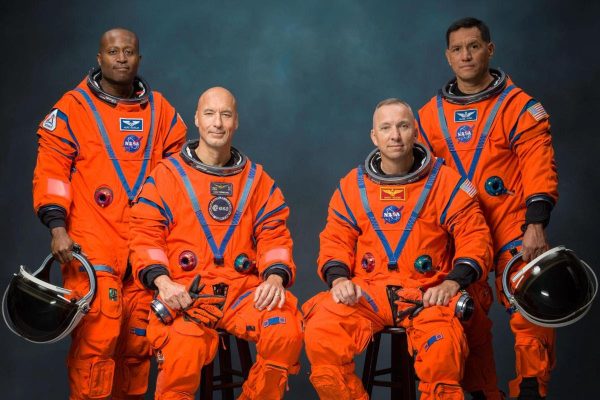
According to NASA: “On June 20, Johnson Space Center Director Vanessa Wyche will introduce select Artemis II crew members following their historic mission around the Moon.
“The crew will participate in World Cup activities ahead of the Netherlands-Sweden match in Houston and will appear on the Fan Festival Houston main stage to share their experience with fans.
“The connection between NASA and the World Cup goes beyond the exhibit floor, reaching all the way to orbit. NASA spinoff technologies are innovations developed for space exploration that go on to shape commercial products and everyday life – even on the soccer field.
“For more than 25 years, research aboard the International Space Station has enabled breakthroughs in science, technology, and human health while advancing innovations that benefit people on Earth.
“That work includes studies that improve understanding of the aerodynamics and physics involved in soccer ball flight.
“In partnership with the ISS National Laboratory in 2019, researchers used the station’s microgravity environment to study how a soccer ball’s internal mass affects its motion, stability, and rotation.
“The findings have improved understanding of how embedded technologies, including match-ball sensors, can influence performance during play.
“The research contributed to studies used in the development and evaluation of soccer balls for major international tournaments, including FIFA World Cup competition.”
Photo: FIFA World Cup 2026 ball