
According to the World Health Organization (WHO), strokes are the third leading cause of death in the world. But how can you identify the symptoms of a stroke, which can easily be confused with other diseases?
Dangerous Disease
In 2015, 6.2 million people died of a stroke, according to WHO. The stroke, which is only surpassed by ischemic heart disease, is second in the organization’s survey of the top 10 causes of death worldwide.
What is a stroke?
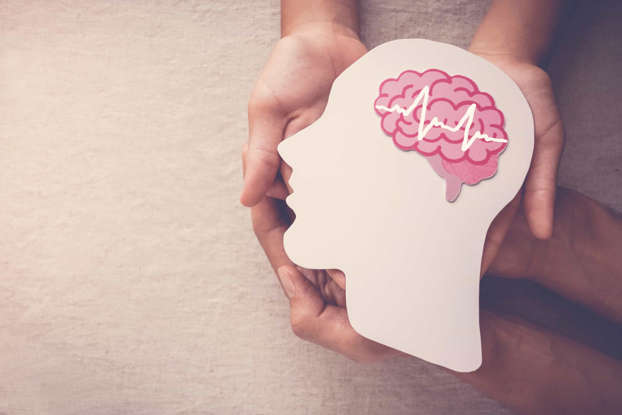
According to WHO, a stroke is the sudden death of some brain cells due to lack of oxygen. It happens when blood flow to the brain is lost by blockage or rupture of an artery in the brain.
Fast Response
When it comes to detecting strokes and getting help, the faster, the better. This is because immediate treatment can make the difference between life and death, or the difference between a complete recovery and a long-term disability.
Diagnosis
To identify the symptoms of a stroke, the American Stroke Association (ASA) advises to make a F.A.S.T. assessment, looking for signs of face (F) drooping, arm (A) weakness, speech (S) difficulty. If you notice all of these then it’s time (T) to make an emergency call. Most stroke cases can only be identified with this test.
Face
The first stage of F.A.S.T. is to observe if one side of the face has drooped. Ask the person to smile. Is the person’s smile uneven or unbalanced?
Arms
Does the person feel weakness in their arms? Ask the person to raise both arms. Is one of them lower than the other or is the person unable to lift one of their arms?
Speech
Ask the person to say a simple sentence. Does the person has difficulty speaking? Is the person slurring their speech?
Time
According to the ASA, if someone shows any of these symptoms, even if they disappear, call the emergency services and tell them that it may be a stroke. Help will be sent immediately.
Time is of utmost importance and help must be urgently requested even if you are not sure whether the symptoms are of a stroke.
Body Numbness
Other symptoms that may appear are sudden numbness or weakness in the face, arm or leg. Especially on one side of the body
Types of stroke
There are two variations of stroke: ischemic stroke and hemorrhagic stroke.
Ischemic stroke
This is the most common type of stroke, affecting about 80% of patients. This stroke variation is caused by lack of blood supply to the brain. Risk factors include, high blood pressure, obesity, high cholesterol, family history of heart disease or diabetes, alcohol abuse, and smoking.
Hemorrhagic stroke
This type of stroke is the least common. It occurs when there is a rupture of a blood vessel inside a person’s skull. The main cause of this type of stroke is hypertension, which weakens brain arteries, making them more susceptible to rupture.
Risk factors include obesity, alcohol abuse, smoking, stress, and having a sedentary lifestyle.
Most affected groups
Stroke cases are more common in adults over 65.
Paralysis or loss of movement
Part of the body may become paralyzed after a stroke. The muscles most affected are usually those of the face and arms. A stroke can also cause damage to the muscles around the mouth and throat.
Memory
Many people who have suffered a stroke end up losing some memory or have a hard time thinking. In some cases, patients complain of pain, numbness, or other strange sensations in the areas of the body affected by the disease.
Recovery and rehabilitation
People who survived a stroke need support and long-term treatments, including physiotherapy, occupational therapy, speech therapy, and psychotherapy. | WHO, American Stroke Association (ASA)
Photo: Shutterstock